
Recycling and FSC: How Responsible Material Recovery Strengthens JPI’s Sustainability Commitment
Introduction: Sustainability Begins With Sourcing and Recovery
Sustainability is more than just choosing eco-friendly products. It is a full-cycle commitment, starting from responsible sourcing, continuing through daily consumption, and ending with how materials are disposed of or recovered.
At JJED PHILS INC. (JPI), this philosophy guides every part of our hygiene portfolio.
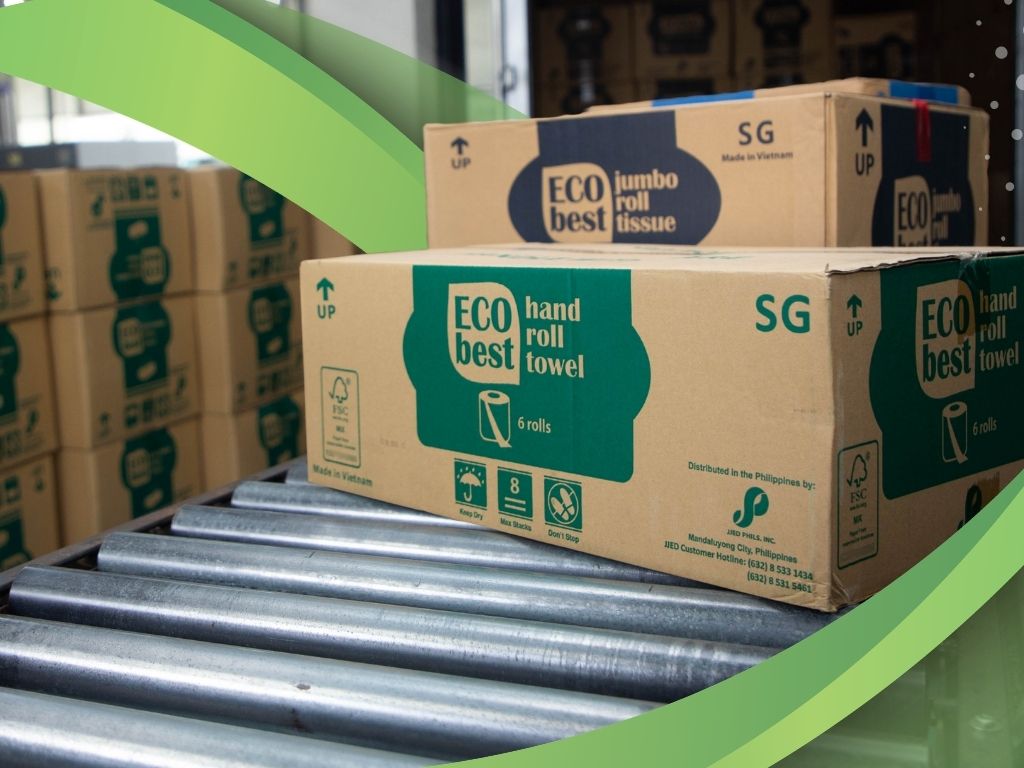
Our FSC-certified line represents our dedication to responsible forest management, while our recycled tissue products help reduce waste and support material recovery. Combined, these two pillars help institutions strengthen their environmental impact with practical, everyday choices.
In this expanded article, we explore how recycling supports FSC’s mission, why it matters in the Philippines, and how JPI ensures that recycled tissue remains safe, hygienic, and dependable for institutional use.

1. How Recycling Supports FSC’s Global Mission
The Forest Stewardship Council (FSC) promotes two major sustainability goals:
A. Responsible forest management
Ensuring virgin fibers come from legally harvested, well-managed forests that protect biodiversity and local communities.
B. Responsible material recovery
Encouraging recycling to reduce pressure on natural resources.
By supporting recycling, FSC helps:
• reduce demand for virgin pulp
• lower carbon emissions
• minimize landfill volume
• extend the lifecycle of paper products
• strengthen circular economies
In short, FSC encourages both smart sourcing and smart recovery, a full-cycle approach that aligns perfectly with JPI’s sustainability direction.
2. Why Recycling Matters in the Philippines
The Philippines continues to face challenges related to waste management, including:
• landfill overcapacity
• waterways clogged with mixed waste
• plastics and paper waste leaking into oceans
• poor segregation practices
• low recycling adoption in commercial sectors
Paper is one of the most recyclable materials, but much of it still ends up in general waste streams due to misinformation or lack of proper systems.
By choosing recycled paper products—and adopting better waste segregation practices—institutions can significantly reduce their environmental footprint with little operational disruption.
3. What Recycled Tissue Actually Is (And What It Is Not)
Many Filipinos hesitate when they hear the term “recycled tissue.”
The misconception is understandable but incorrect.
Some believe “recycled” means:
• made from used bathroom tissue
• sourced from contaminated paper
• unsafe for daily use
This is not true.
Recycled tissue never comes from soiled tissue or unhygienic materials.
Recycled Tissue Comes From:
Pre-consumer paper
• clean paper trims from manufacturing
• unmarked sheets
• unused office-grade paper
Post-consumer paper
• notebooks
• shredded office documents
• bond paper
• other clean paper sources
These are processed through:
• sanitized pulping systems
• multi-stage filtration
• chlorine-free whitening processes
• strict quality checks
The result is clean, safe, hygienic fiber not reprocessed waste.
Recycled tissue is a responsible choice, not a compromised one.
4. Why Recycled Tissue Is a Smart, Sustainable Choice for Institutions
Organizations across industries are now required to demonstrate sustainability efforts, from BPOs and hotels to malls, hospitals, schools, and manufacturing facilities.
Switching to recycled tissue supports:
• reduced dependency on virgin pulp
• lower energy and water use
• smaller carbon footprint
• responsible waste diversion
• sustainability reporting
• faster progress on ESG targets
Among all sustainability practices, recycling remains one of the fastest-impact actions a business can adopt.
5. How JPI Ensures Recycled Tissue Meets Professional Hygiene Standards
At JPI, we are aware of the misconceptions surrounding recycled paper.
That is why our approach is anchored in transparency, education, and strong quality assurance.
Recycled tissue in our portfolio is:
A. Sourced Responsibly
We partner only with accredited mills following:
• strict hygiene standards
• responsible sourcing guidelines
• internationally recognized processing controls
B. Produced Under Controlled Conditions
The fibers undergo:
• sanitized pulping
• multi-level purification
• chlorine-free treatment
• quality testing for absorbency and strength
C. Engineered for Institutional Use
Our recycled tissue meets the daily demands of:
• high-traffic restrooms
• hotels and QSRs
• corporate offices
• clinics and hospitals
• malls and transport hubs
• industrial and manufacturing facilities
D. Delivered With JPI’s Operational Reliability
Backed by:
• our nationwide logistics
• dependable restocking
• consistent supply
• professional after-sales support
Recycled or FSC-certified, the JPI standard remains the same:
clean, safe, and reliable hygiene products for professional environments.
6. How Recycling and FSC Strengthen Each Other
Many institutions assume FSC and recycled products serve different goals.
In reality, they work together to create a complete sustainability cycle.
FSC supports:
• responsible forest use
• ethical sourcing
• traceable fiber origins
Recycling supports:
• waste reduction
• extended paper life cycles
• lower environmental impact
Both systems reduce pressure on forests and promote global environmental stewardship.
JPI’s portfolio reflects this dual commitment through:
• FSC-certified tissue and towel products
• recycled tissue lines
• recyclable packaging where feasible
7. How Large Institutions Benefit From Recycling Practices
Big organizations see the biggest gains from recycling due to scale.
Hotels & Resorts
• Supports eco-friendly branding
• Reduces waste from guest restrooms
• Aligns with sustainability certifications
Healthcare Facilities
• Diverts large volumes of carton and office paper
• Reduces non-hazardous waste load
BPOs & Offices
• Helps achieve corporate ESG targets
• Large carton and paper consumption create strong recycling potential
Retail, Malls, and QSR Chains
• High-traffic consumption
• Strong alignment with green operations
Schools & Universities
• Supports campus-wide environmental education
• Teaches young Filipinos the value of recycling
8. The JPI Commitment: No Compromise on Quality or Responsibility
Our role extends beyond being a hygiene supplier.
We aim to be a sustainability partner for institutions across the Philippines.
JPI’s recycled and FSC-certified products share the same core philosophy:
• Responsible sourcing
• Professional-grade quality
• Clear, transparent standards
• Strong supply reliability
• Supportive service for operations teams
As we work toward our 2030 sustainability roadmap—including doubling FSC adoption and becoming an ASEAN ESG benchmark—recycled tissue remains a key pillar in that plan.
Conclusion: Recycled and FSC-Certified Tissue Are Both Essential to a Sustainable Future
JPI’s commitment to sustainability does not end with the products we supply, it extends to how those products contribute to a cleaner, greener Philippines.
FSC-certified products protect forests.
Recycled tissue reduces waste.
Combined, they help institutions adopt responsible hygiene systems without sacrificing performance, reliability, or cost-efficiency.
JPI proudly supports this balance by offering safe, sustainable, and dependable options for every type of organization.
To explore our FSC-certified and recycled hygiene solutions, visit our official website and browse our full portfolio.